
Many people will ignore the initial warning signs and won’t realize they have a problem until it is serious. This section explores the concept drinking again after sobriety of controlled drinking, the arguments for and against it, and the factors that may influence its feasibility for individuals with a history of alcoholism. It encompasses a spectrum of behaviors ranging from binge drinking to physical dependence on alcohol. While moderation may work for some individuals, it’s essential to recognize that it carries inherent risks, particularly for those with a history of alcohol addiction.

Seeking Treatment
Beyond just managing symptoms, our team helps prepare you emotionally and physically for the next phase of recovery. By starting with us, you’ll be setting yourself up for success with a smoother transition into comprehensive treatment. Understanding the three stages of relapse, emotional, mental, and physical, can aid in recognizing the process and preventing recurrence. The stages of relapse typically begin with emotional aspects, followed by mental and then physical aspects of returning to drinking. However, managing psychological triggers and maintaining moderation can be incredibly difficult for those with a history of severe alcoholism.
Sustaining Your Freedom from Alcohol
- Our state-of-the-art facility is staffed with experienced clinicians who monitor your progress and provide the medical care you need for a stable detox process.
- These influences can make it even more challenging to maintain control.
- If you or a loved one is showing signs of alcohol relapse, it’s crucial to seek help immediately.
Common triggers include feelings of loneliness, frustration, or boredom, as well as environments where alcohol is readily available. Alcoholism involves both physical and psychological dependence. Physically, the body can become dependent on alcohol to function normally, leading to withdrawal symptoms when alcoholics quit drinking and alcohol is not consumed. These symptoms can include tremors, anxiety, nausea, and in severe cases, seizures and hallucinations.
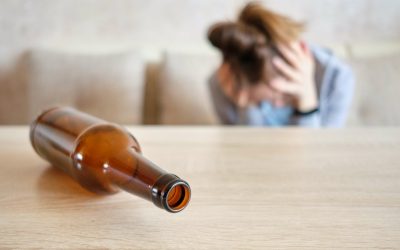
#4: A few drinks don’t count as an alcohol relapse
If they relapse, these negative emotions often intensify, creating a cycle of abstinence and relapse that is difficult to break without professional help. For those seeking comprehensive recovery support, Harmony Ridge Recovery Center offers a variety of evidence-based and holistic treatment options to guide individuals toward a healthier, alcohol-free future. On the positive side, recovery also brings opportunities for emotional Drug rehabilitation growth and resilience.

Sleeping and eating habits become erratic
The important thing is to remind your loved one of the incredible progress they have made and to make sure they don’t let one minor blip undo everything they have achieved. Social withdrawal is another indication that an alcoholic has relapsed. Individuals who are sober but have an alcohol use disorder often feel the need to isolate themselves when they begin drinking again, to avoid shame from their loved ones and recovery community.
Recent Comments